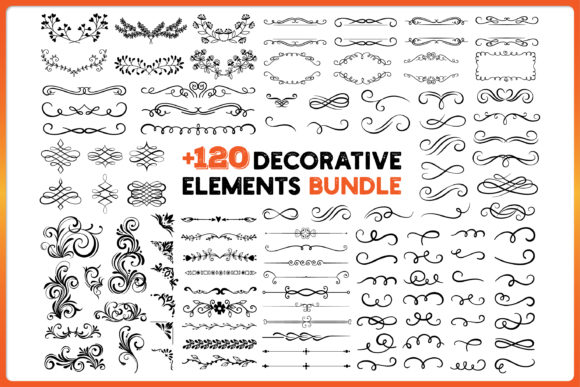
120 Decorative Elements Set for Graphics & Crafts
As a brand designer with years of experience in small business branding, I recently had the chance to evaluate the 120 Decorative Elements Set. This graphic design asset immediately caught my eye with its versatility and creative potential. The set includes a wide range of decorative illustrations that feel both modern and timeless, making it ideal for a variety of crafts and design projects.
First Impressions: A Mood for Creativity
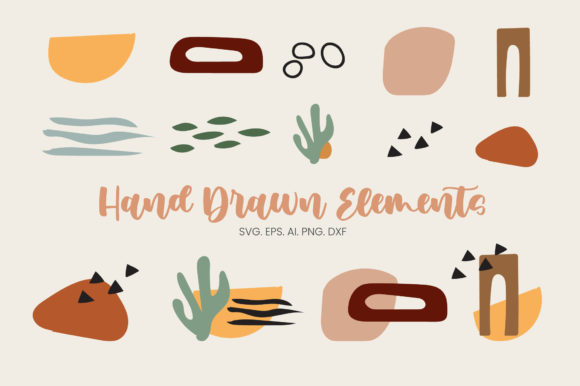
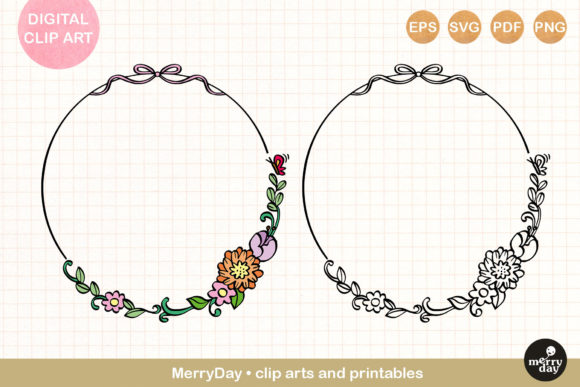
The 120 Decorative Elements Set exudes a warm, approachable vibe. It feels like it was designed with handmade businesses and local brands in mind. The style is soft yet detailed, suggesting a friendly and artisanal personality. Whether you're working on a bakery logo or a skincare product label, this set can help convey a sense of care and craftsmanship.
It's perfect for businesses looking to add a touch of elegance without being too formal. The elements are clean enough for modern design but rich enough to feel handcrafted. This makes it an excellent fit for small business branding, especially for those targeting customers who value quality and authenticity.
Real-World Applications for Local Businesses
One of the most appealing aspects of the 120 Decorative Elements Set is how it can be used across different design needs. From packaging design to social media graphics, these elements offer a lot of flexibility. For example, a coffee shop owner could use them to create custom cup sleeves, while a handmade soap seller might incorporate them into product labels and packaging accents.
They also work well for printable design projects, such as thank-you cards, menu graphics, and promotional flyers. When used in web design or Canva templates, they can elevate the visual appeal of a brand’s online presence. The set is especially useful for creating cohesive brand identity materials that feel professional yet personal.
Supporting Business Presentation
Using the 120 Decorative Elements Set can significantly enhance a business's visual presentation. It helps create a stronger first impression, which is crucial for standing out on crowded shelves or in digital spaces. These elements can also improve product recognition by reinforcing a consistent brand identity across all touchpoints.
They contribute to a clearer visual hierarchy, ensuring that key information stands out while still maintaining an aesthetically pleasing layout. This is particularly important for product labels, where clarity and brand consistency are essential. Additionally, using these elements can build customer trust by presenting a more polished and professional image.
Best Uses for the 120 Decorative Elements Set
This graphic design asset shines when used in areas that benefit from visual interest without overwhelming the viewer. Product labels and packaging accents are prime examples. The elements can serve as decorative brand elements that add character without distracting from the main message.
They also work well for hero graphics on websites or social media campaigns. Seasonal packaging and boutique visuals can take on a more festive or curated look with these elements. For promotional banners and product mockups, they provide a professional finish that enhances the overall design.
When to Use with Caution
While the 120 Decorative Elements Set is versatile, there are situations where it may not be the best choice. In formal corporate branding, the elements might feel too playful or unstructured. They could also be problematic on very small labels or in layouts that are already crowded with text or ingredients.
In low-contrast backgrounds or for luxury minimalist brands, the decorations might compete with the intended message. It's important to test them in different contexts to ensure they don’t interfere with readability or the brand’s core identity.
Practical Designer Notes
As a brand designer, I always recommend testing any graphic design asset on real-world applications. For the 120 Decorative Elements Set, I suggest printing mockups to see how the elements look on actual packaging. Checking black and white usage is also important, as some designs may lose their impact without color.
Previewing the elements on small labels can reveal if they’re too intricate or difficult to read. Testing them with brand colors ensures they complement the existing palette. Comparing them with competitor packaging helps identify unique opportunities for differentiation.
Reviewing PNG transparency and inspecting SVG or vector editability is crucial for commercial design projects. Ensuring compatibility with different font styles—serif, sans serif, script, handwritten, and display fonts—can help maintain a cohesive look across all materials. Finally, confirming the commercial license is essential before using the asset for client work or physical product sales.
Conclusion: A Valuable Addition to Any Designer’s Toolkit
The 120 Decorative Elements Set is a practical and creative resource for small business branding, product packaging, and promotional visuals. Its ability to enhance visual hierarchy, support brand identity, and add a touch of personality makes it a valuable addition to any designer’s collection. Whether you're working on a handmade business or a local food brand, this set offers endless possibilities for creative expression and professional presentation.