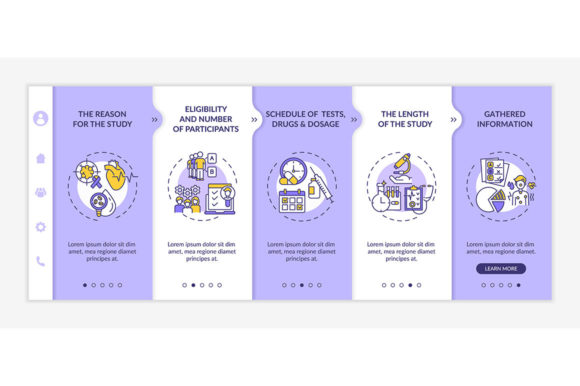
Study Protocol Elements Onboarding
First Impressions of Study Protocol Elements Onboarding
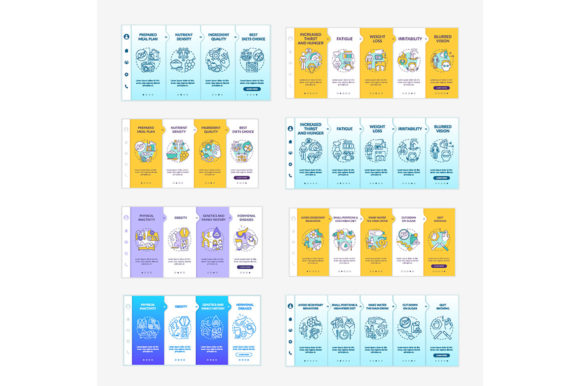
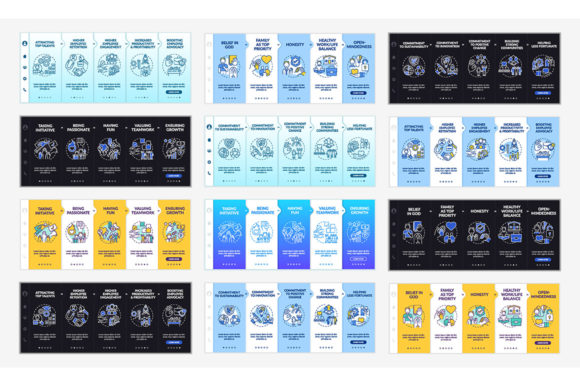
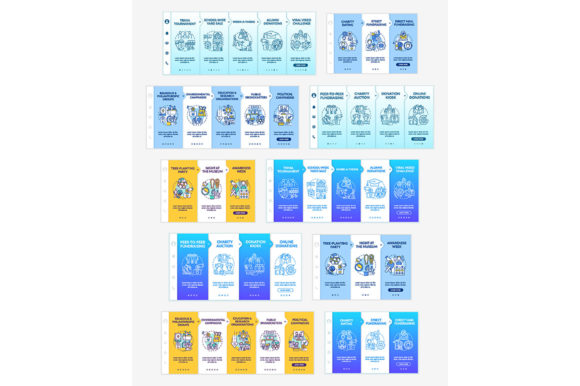
As a designer who’s worked with countless embroidery files, I always start by assessing the mood and visual personality of a design. Study Protocol Elements Onboarding immediately presents a clean, structured feel. The vector template is organized, with a focus on clarity and functionality. The linear illustrations and color concept suggest a professional, modern aesthetic that leans toward technical or educational themes.
The design elements—icons, step-by-step screens, and layout—feel purposeful. It’s not overly ornate, but it has enough detail to be visually engaging without being overwhelming. This makes it ideal for projects that require clear communication, such as custom apparel, baby items, or small shop merchandise where simplicity meets professionalism.
Real-World Embroidery Applications
When considering how Study Protocol Elements Onboarding would translate into real embroidery work, its structure shines. The design is well-suited for custom apparel like sweatshirts, t-shirts, and tote bags. Its responsive mobile website style suggests it could also be used in printable mockups or digital product previews, making it a versatile asset for Etsy sellers or craft business owners.
For baby items, such as onesies or blankets, the design’s clean lines and minimal detail make it safe and practical. It avoids intricate patterns that might be hard to stitch or that could fray easily on delicate fabrics. Similarly, for holiday gifts or personalized products, the design offers a polished look that can be adapted to different color schemes and fabric types.
Where to Use Carefully
While Study Protocol Elements Onboarding is functional, it’s important to consider where it may not perform as well. For instance, small hoop sizes could limit the design’s full potential, especially if there are detailed corners or tiny lettering. Textured or stretchy fabrics may cause the stitches to pull or distort, so testing on scrap fabric first is essential.
On dark fabrics, the design’s color concept may need adjustment to ensure visibility. Thin or lightweight materials might require additional stabilizer to prevent puckering. For curved surfaces like caps or patches, the design’s layout should be checked for proper alignment and stitch density to avoid distortion during stitching.
Impact on Visual Appeal and Product Value
Study Protocol Elements Onboarding adds value to any handmade product or commercial embroidery project. Its clean, modern look enhances the perceived quality of the finished item. Whether it’s a custom embroidered patch, a tote bag design, or a sweatshirt embroidery, the design contributes to a more professional appearance.
From a customer perspective, this design can increase trust and engagement. A well-designed embroidery file reflects attention to detail, which is crucial for small shop products or boutique branding. It also makes the product more giftable, as the visual appeal is consistent and appealing across different applications.
Practical Designer Notes
Before using Study Protocol Elements Onboarding in a real project, I recommend testing it on scrap fabric. This helps identify any issues with stitch density, thread color contrast, or stabilizer needs. Checking the design in black and white mockups can also reveal how it will look on different fabric backgrounds.
For applique designs or satin stitch areas, ensuring the design is optimized for those techniques is key. If the design includes fill stitch or running stitch elements, review the density to avoid over-stitching or fabric damage. Always confirm the hoop size required and adjust your machine settings accordingly.
For commercial use, verify the licensing terms to ensure the design can be used in finished products or digital files. As an Etsy seller or digital product seller, understanding these terms is critical to avoiding legal issues down the line.
Best Fit for Embroidery Projects
Study Protocol Elements Onboarding is most effective when used in projects that benefit from a structured, clean design. It works well for custom apparel, such as sweatshirts or tote bags, where clarity and professionalism matter. It’s also a strong choice for baby embroidery, where simplicity and safety are priorities.
For holiday embroidery or personalized gifts, the design’s adaptability allows it to fit various themes and color palettes. As a digital embroidery file, it can be integrated into printable mockups or used as part of a larger design asset library for craft businesses.
Final Thoughts on Study Protocol Elements Onboarding
Overall, Study Protocol Elements Onboarding is a solid addition to any embroidery designer’s toolkit. Its structured layout and clean aesthetic make it suitable for a wide range of projects, from handmade products to commercial embroidery. However, like any design, it requires careful consideration of fabric type, hoop size, and stitch density to ensure the best results.
Whether you’re a hobbyist, a small shop owner, or a creative entrepreneur, this design offers practical value when used correctly. It’s a great example of how graphic templates can enhance the quality and appeal of embroidery projects, provided they are applied with care and attention to detail.